Oxidative stress and chronic low-grade inflammation (inflammaging) are two closely linked biological processes, considered the main drivers of cellular aging and the starting point of many modern diseases and chronic conditions.
When the production of free radicals exceeds the body’s antioxidant defenses, oxidative stress develops and damages proteins, lipids and DNA. This constant cellular damage acts like a switch that triggers and fuels a silent, systemic inflammatory response. Inflammation in turn generates more free radicals, creating a vicious circle that speeds up tissue decline, disrupts metabolism and burdens the immune system.
To break this cycle and personalize prevention and longevity strategies, functional diagnostics can now precisely measure both parameters with targeted tests, identifying molecular imbalances early and setting up tailored antioxidant protocols.
REDOXTEST (OXIDATIVE STRESS TEST)
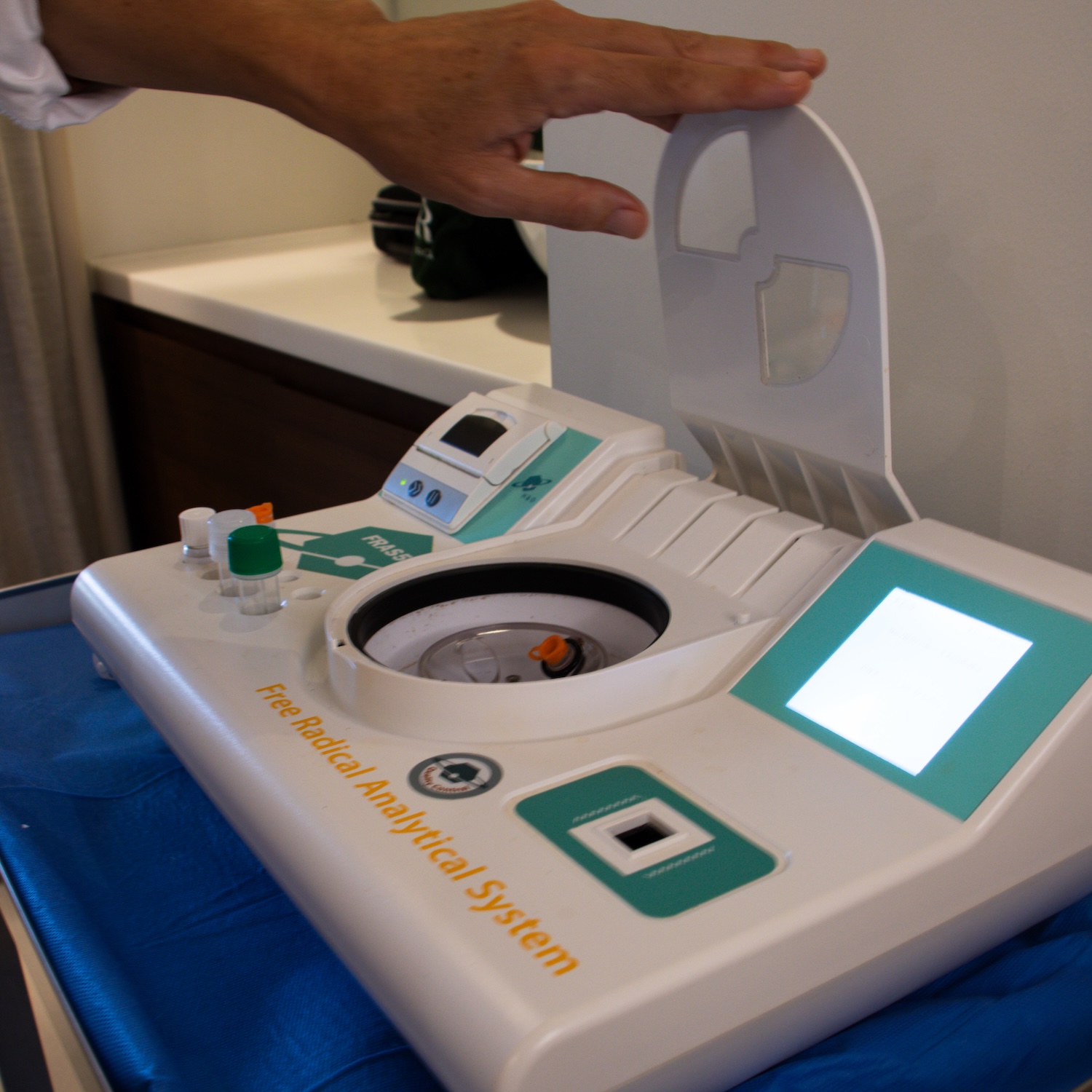
The Redox test precisely analyzes the balance between free radicals and antioxidant systems, providing a reliable snapshot of your body’s oxidative status and its defensive capacity.
Its purpose is to detect oxidative stress early, a silent condition that accelerates cellular aging and promotes the onset of chronic and cardiovascular diseases. The information obtained makes it possible to set up targeted nutritional, supplement and therapeutic strategies for cell protection and the prevention of premature aging.
Specifically, it quantifies the levels of free radicals and hydroperoxides in the blood (using markers such as the d-ROMs test) and measures the body’s residual total antioxidant capacity (e.g. BAP or PAT test). It shows whether the body is suffering damage to cell membranes, proteins or DNA.
It is designed for people who want to start a longevity or anti-aging program, athletes who want to monitor recovery or avoid overtraining, and people with chronic fatigue, recurrent inflammation or unhealthy lifestyles (smoking, high stress, poor diet).
It is performed quickly and with minimal invasiveness through a simple venous or capillary blood sample. Depending on the panel requested by the physician (biochemical or genetic), it can be combined with a saliva swab to analyze genetic predisposition of the antioxidant defense systems.
At a glance
Sample: venous or capillary blood (plus optional saliva swab for the genetic panel)
Measures: free radicals and hydroperoxides (d-ROMs), total antioxidant capacity (BAP/PAT)